Planning & scheduling
How Often Should a Commercial Kitchen Be Deep Cleaned?
Use the condition of your kitchen and the demands of service to choose a practical cleaning schedule.
Read this guideSaniDine Insights
By SaniDine · Updated
After-hours cleaning works best when the closing team, cleaning crew and opening team understand the same plan. Booking a time is the start of that conversation. A few clear arrangements beforehand can make the visit easier to coordinate and help everyone understand what is ready for the next service.
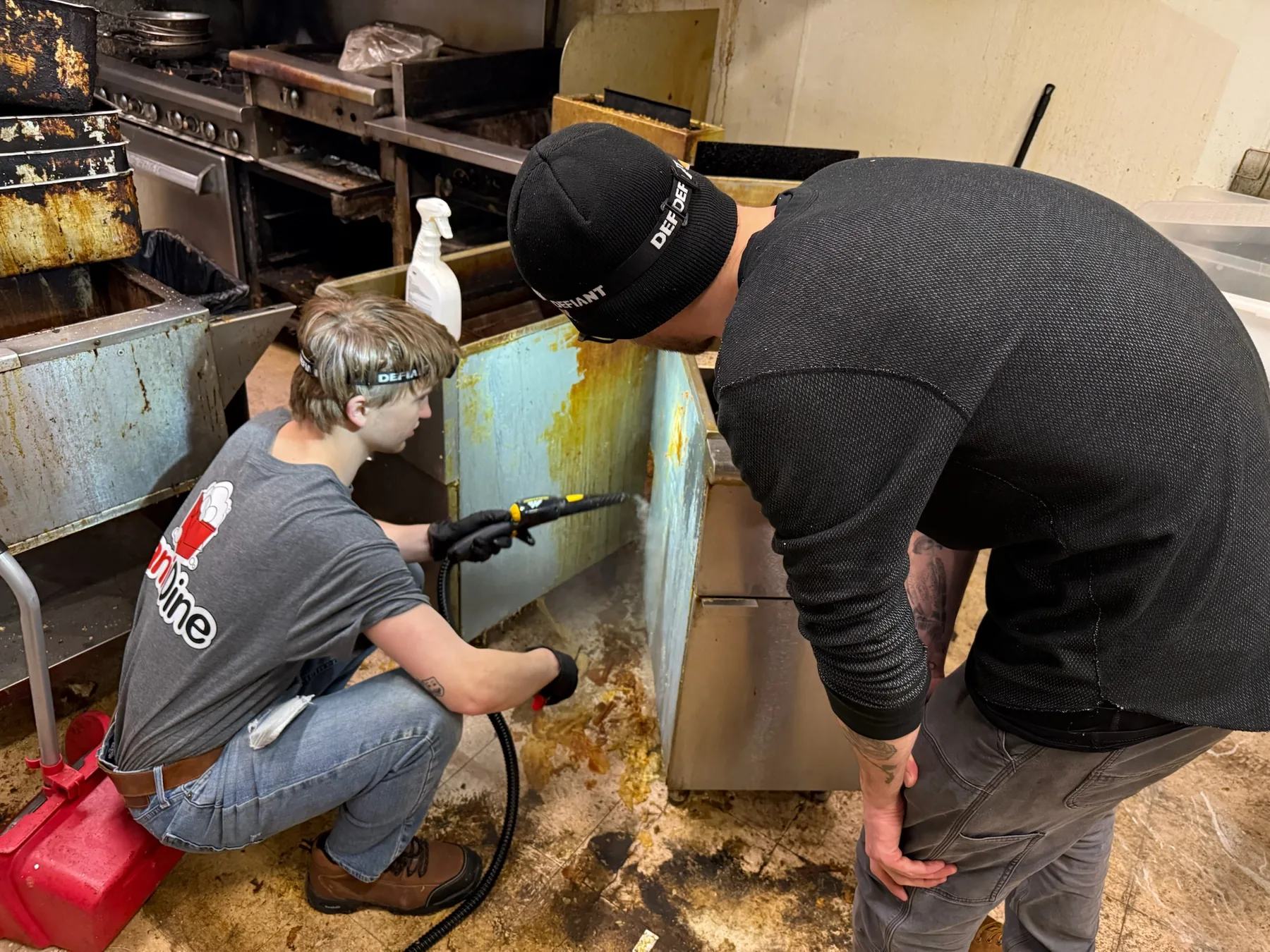
Keep the agreed scope in one place and share it with the responsible people. Name the rooms, surfaces and equipment included, together with any restrictions. Confirm when cooking ends and when the opening team needs access again. Include deliveries or other contractors using the space. If the operating schedule changes, contact the cleaning team before arrival so the work can be planned around the revised window.
Identify who will meet the crew or provide the approved access arrangement. Discuss keys, door codes, alarms and parking through an appropriate private channel. Do not leave access credentials in a public website enquiry. Confirm an emergency contact and how questions during the visit should be handled. The person coordinating the visit should know where the agreed work is taking place and any areas that must remain secure or unavailable.
Ask what preparation your own team needs to complete. Discuss loose utensils, portable items, food, packaging and personal belongings. Follow your normal food-storage and protection procedures. Avoid assuming the cleaning crew will move or dispose of items without agreement. Clearing the right surfaces can help the work proceed, but the instructions should reflect the specific visit. Ask about any materials or equipment with special care requirements before the work begins.
Talk through equipment that may need to cool, be isolated, be moved or remain in service. Follow manufacturer instructions and use the appropriate qualified support where required. Agree who is responsible for those tasks; a cleaning booking should not silently become a maintenance or repair job. Explain known faults, delicate finishes and areas with restricted access. Discuss hood and exhaust cleaning separately where it is part of the requested work.
Decide how completion and any exceptions will be communicated. The opening team needs to know which areas were included and whether anything needs further attention. Allow for the agreed drying and reopening arrangements, and retain your normal operational checks before using the kitchen. If an area could not be reached or a maintenance concern was observed, record it as a follow-up. A clear handover prevents assumptions between people working different shifts.
Tell SaniDine your facility name, town, priorities and preferred service window. Include useful photographs if they help explain the condition and access. Mention whether kitchen, dining room, floor or restroom work should be coordinated in the same visit. We confirm scope, scheduling and travel availability before arranging service. Use the estimate request form to start, or review our kitchen planning guide to organize your questions.
Discuss your facility, priorities and work window with SaniDine. We serve Central Pennsylvania and surrounding regions; availability and travel arrangements are confirmed for each enquiry.
Planning & scheduling
Use the condition of your kitchen and the demands of service to choose a practical cleaning schedule.
Read this guidePlanning & scheduling
Compare focused deep cleaning and recurring care by scope, use and scheduling.
Read this guide