Planning & scheduling
Preparing Your Restaurant for an After-Hours Clean
A practical handover checklist for access, equipment, food storage and reopening after a cleaning visit.
Read this guideSaniDine Insights
By SaniDine · Updated
There is no useful one-size-fits-all answer for every kitchen. A restaurant with long cooking hours, a changing menu and several shifts can have different needs from a lightly used facility. Start with your daily routines and the condition of the space. Then agree on professional cleaning visits that address the areas those routines cannot fully cover.
Consider how often the kitchen operates, the cooking methods used and which areas accumulate buildup fastest. Ask your staff where time or access makes thorough cleaning difficult. A schedule should reflect these observations, rather than copying another business’s calendar. Keep the daily care your team already provides in place. Professional deep cleaning has a defined scope and does not replace routine food-safety procedures or equipment maintenance.
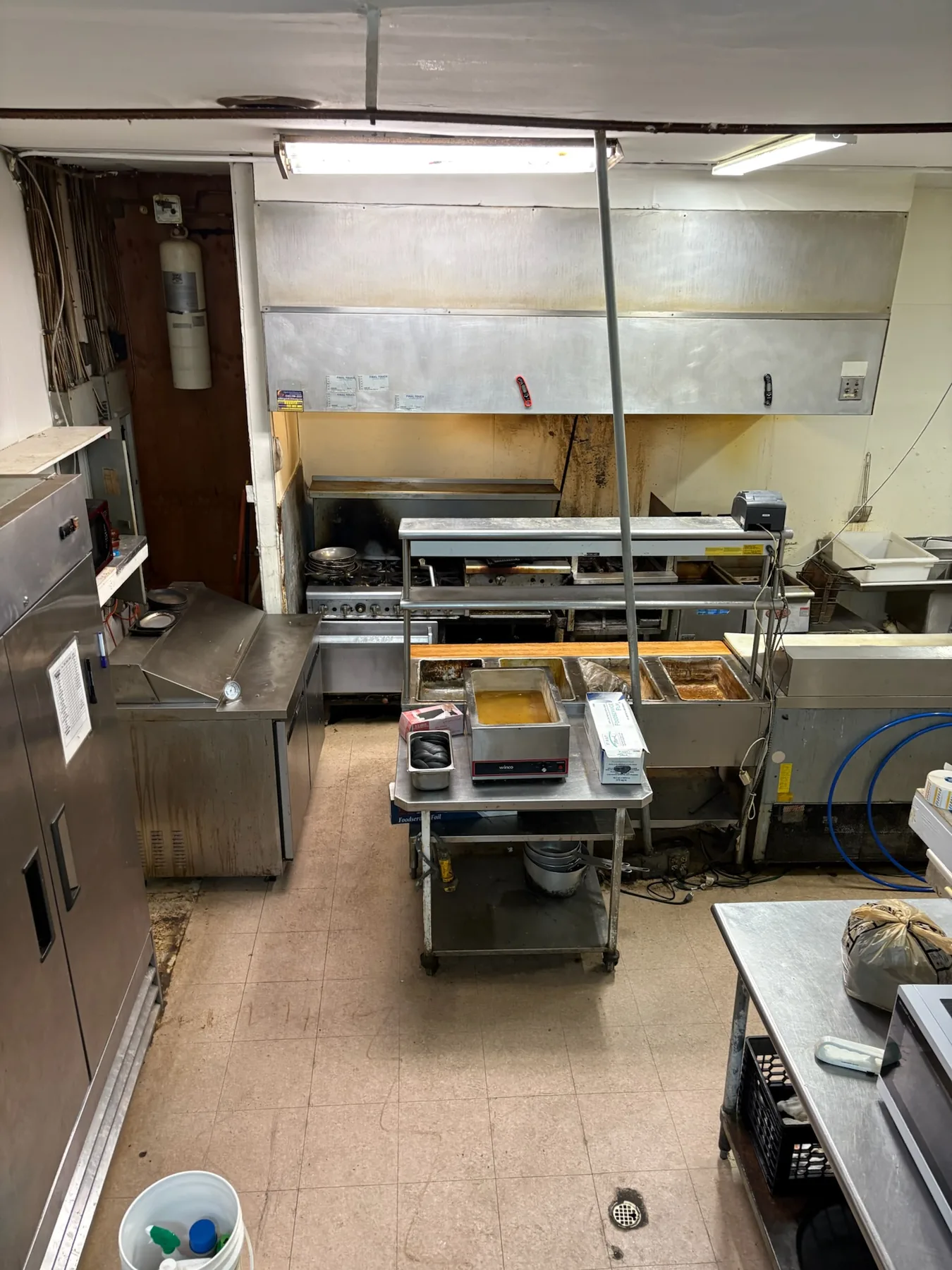
Choose a small set of areas to review consistently: equipment exteriors, accessible cookline edges, wall surfaces, prep areas and floor junctions. Record the date and the concerns you observe. Compare like with like; a quick glance at different areas on each visit will not explain the pattern. Photographs taken from the same position can help communicate priorities. Keep them for operational planning rather than treating appearance alone as proof of safety.
The cleaning schedule for a kitchen’s surfaces should not be assumed to cover the whole exhaust system. Hood, filter, duct and fan requirements need their own discussion of access, condition, inspection and maintenance arrangements. Ask what is included in a proposed hood-cleaning visit and what is outside the scope. Follow the requirements applicable to your facility and discuss questions with the relevant authority or maintenance specialist. Do not infer compliance from a clean-looking hood exterior.
A recurring date is only practical when the kitchen can be made available. Consider the end of service, deliveries, opening preparation and any overnight staff. Confirm who provides access and how equipment will be handled. Include any drying and handover needs in the conversation. If a narrow work window prevents the agreed work, adjust the scope or schedule before the visit. Our after-hours preparation guide helps you plan that handover.
A new menu, a busy season, longer opening hours or new equipment may change the priorities. Tell your cleaning team when those changes happen. Review recurring work against the condition you see between visits and identify which tasks need more or less attention. The aim is a workable plan for your business, not a fixed promise that one interval will always be enough. Repairs and servicing should remain separate where cleaning alone cannot resolve a concern.
When contacting SaniDine, share your location, operating pattern, current concerns and preferred work windows. Explain which routines your team already handles. A discussion or walk-through can establish a starting scope and help decide between a focused one-time clean and recurring care. Keep the agreed priorities available for later review. Read our one-time versus recurring cleaning comparison if you are still deciding which approach fits.
Discuss your facility, priorities and work window with SaniDine. We serve Central Pennsylvania and surrounding regions; availability and travel arrangements are confirmed for each enquiry.
Planning & scheduling
A practical handover checklist for access, equipment, food storage and reopening after a cleaning visit.
Read this guidePlanning & scheduling
Compare focused deep cleaning and recurring care by scope, use and scheduling.
Read this guide