Kitchens & hoods
Commercial Hood Cleaning: Questions to Ask Before Booking
Clarify the exhaust-system scope and practical arrangements before comparing cleaning proposals.
Read this guideSaniDine Insights
By SaniDine · Updated
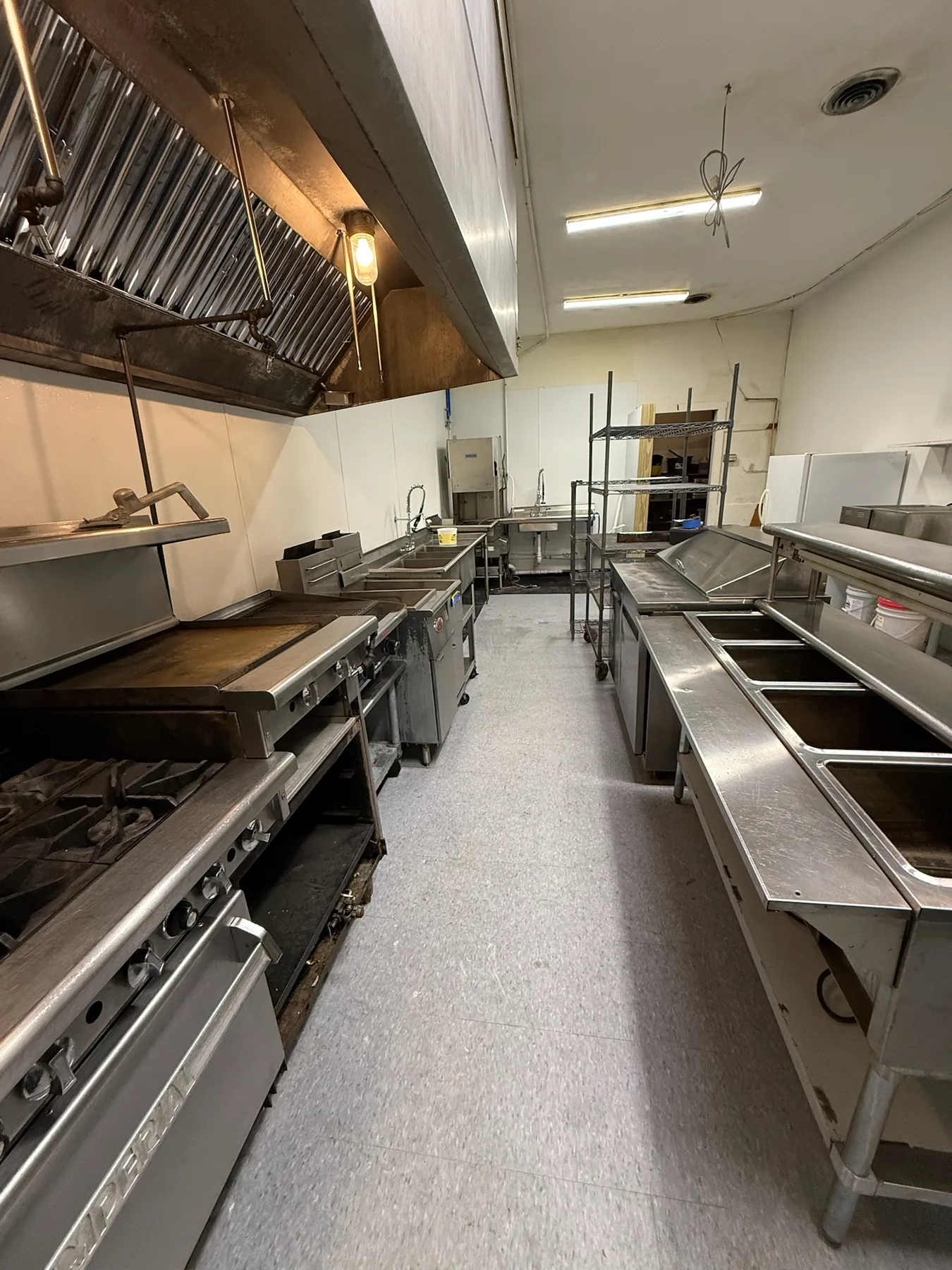
A busy kitchen needs routine cleaning throughout the day, but a deep clean gives dedicated attention to buildup and overlooked spaces. The best starting point is a walk-through with the person who knows the kitchen. Look at the cookline, prep areas, equipment exteriors, walls, floors and the transitions between them. Record the areas causing concern and separate immediate priorities from work that can fit a later visit. A clear list makes an estimate more useful than a general request to “clean everything.”
Cleaning tasks can sound similar while covering very different work. Discuss the equipment and surfaces included, what access is available, and any areas that require separate attention. Hood and exhaust cleaning, refrigeration interiors and work behind heavy appliances should be discussed explicitly rather than assumed to be part of every visit. Identify delicate finishes and manufacturer restrictions. If equipment needs to be moved, isolated or handled by another specialist, agree on responsibility before the cleaning window begins.
Tell the cleaning team when cooking ends, when preparation starts again and which parts of the facility must remain available. Include deliveries, overnight staff and alarm arrangements in that conversation. Leave a realistic window for the agreed work and any drying or handover needs. The right schedule depends on the condition and size of your kitchen; a useful plan reflects your actual operation rather than a standard time allowance copied from another restaurant.
Confirm who will provide access and who can answer questions during the visit. Discuss food storage, loose utensils, personal items and anything that needs to be protected or cleared. Your team should know what to do beforehand and what the cleaning crew will handle. At handover, review the agreed areas together where practical. Note any restrictions or follow-up work, and make sure the person opening the kitchen has the information needed for their normal checks.
A deep clean supports the care your team already provides. It does not replace daily routines, equipment maintenance or your own operational checks. After the visit, revisit the original priority list. Which areas accumulate buildup quickly? Which are difficult for your staff to access? Those observations help decide whether a recurring service or occasional focused visits make more sense. A sensible schedule responds to kitchen use, changing needs and the results you can see.
Include your facility name, town, kitchen type, the areas needing attention and your preferred work window. Photographs can help explain the condition and layout, but an estimate may still require a walk-through. SaniDine plans commercial kitchen cleaning around the agreed scope and operating hours. If your facility is outside Central Pennsylvania, include its location so availability and travel arrangements can be confirmed before a service date is discussed.
Kitchens & hoods
Clarify the exhaust-system scope and practical arrangements before comparing cleaning proposals.
Read this guideKitchens & hoods
Connect your team’s daily routines with the deeper work that needs dedicated time and a clear scope.
Read this guide