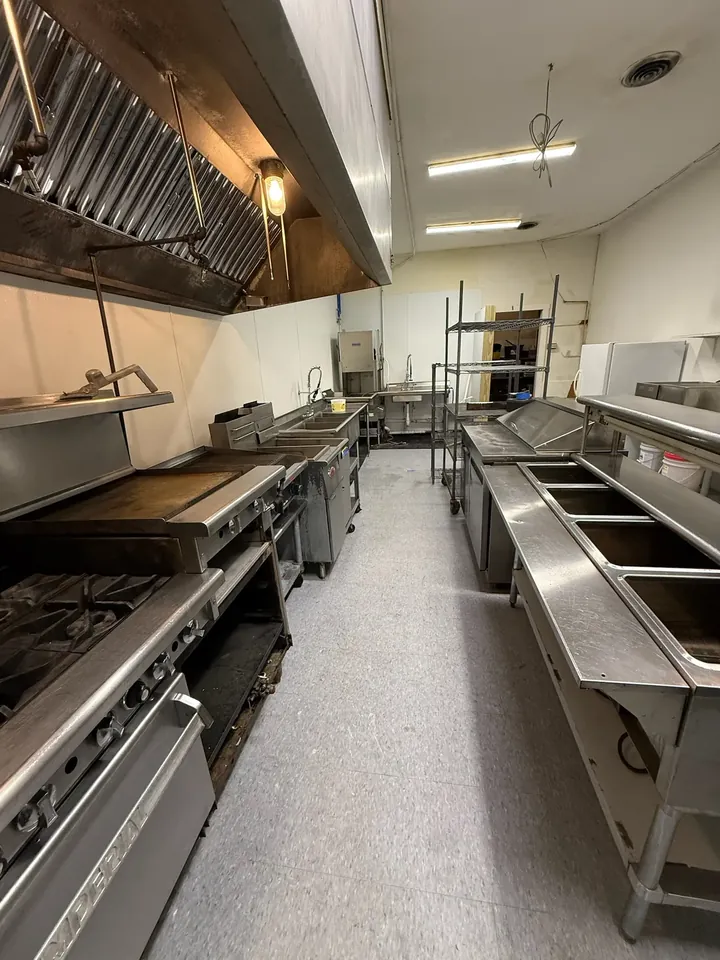
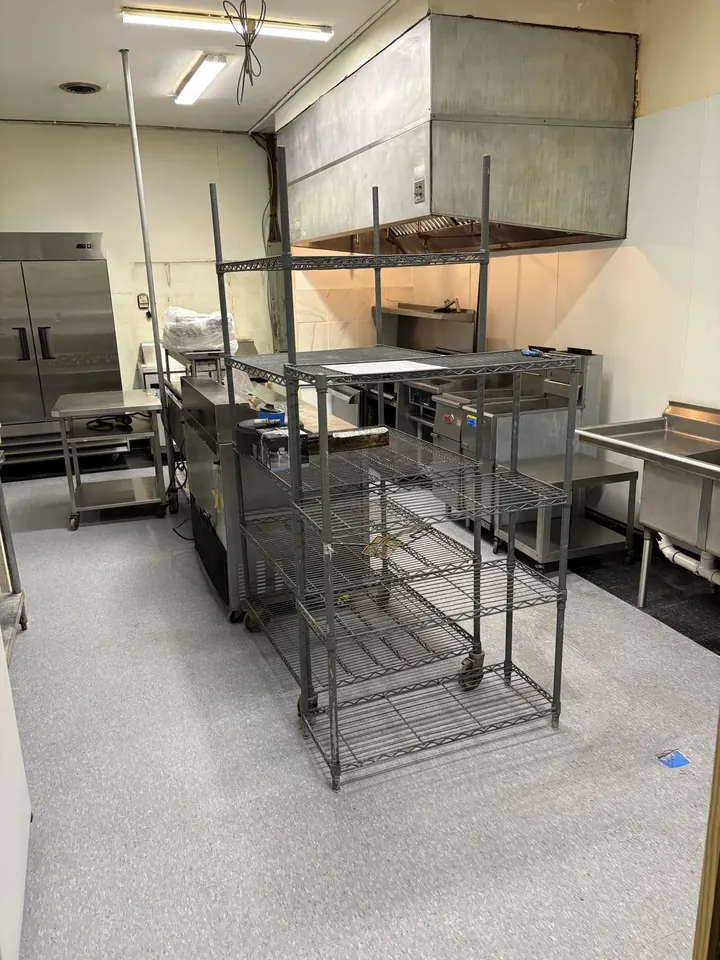
Kitchens & hoods
A Restaurant Cleaning Checklist That Connects Daily Care and Deep Cleaning
Connect your team’s daily routines with the deeper work that needs dedicated time and a clear scope.
Read this guideSaniDine Insights
By SaniDine · Updated
“Hood cleaning” can be used to describe work on very different parts of a kitchen exhaust system. Before comparing proposals, ask what will actually be included. A clear conversation about components, access and responsibilities is more useful than assuming a clean-looking exterior tells you what happened elsewhere in the system.
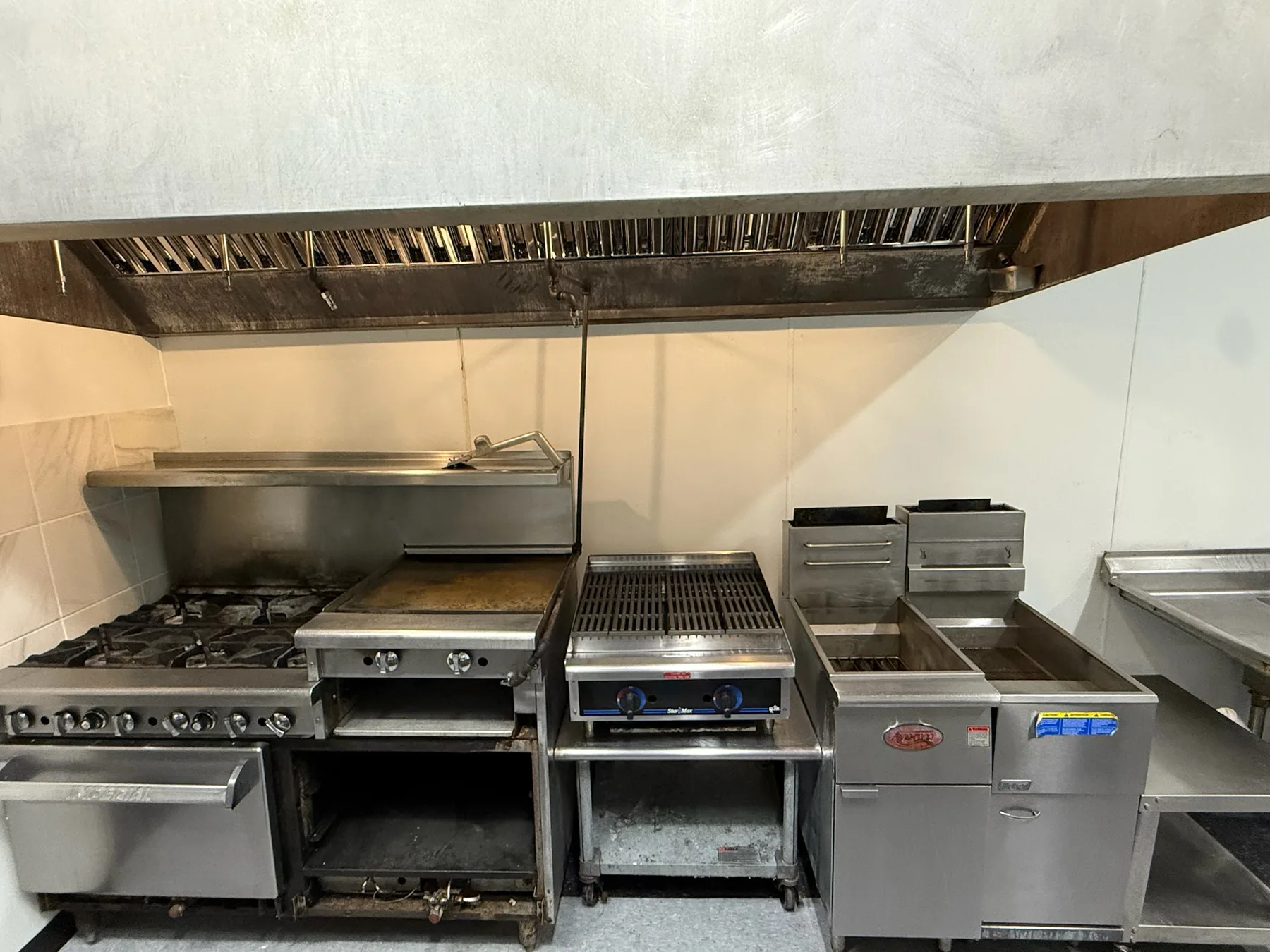
Ask the provider to identify the hood, filters and other exhaust components included in the proposed work. Confirm whether ducts and fans are within the scope or require a separate arrangement. Discuss inaccessible areas and how exclusions will be recorded. A kitchen surface-cleaning visit should not be assumed to include the entire exhaust system. Compare proposals by their stated scope rather than by the service name or a single price.
Explain the kitchen layout and any restrictions that affect access to the equipment or system. Ask what your staff need to clear, protect or make available. Discuss equipment handling and isolation responsibilities before the visit, using the appropriate qualified support where needed. If a component cannot be reached safely, it should be addressed in planning rather than discovered after arrival. Known faults and maintenance concerns also belong in that conversation.
Confirm the end of cooking, the available work window and when the kitchen must be ready again. Allow for the agreed preparation, cleaning and handover needs. Mention overnight staff, opening preparation and other contractors. Ask what happens if the available window changes or an unexpected condition affects the work. Our after-hours cleaning guide provides a useful checklist for arranging the visit.
Ask how the completed work, agreed exclusions and any areas needing attention will be communicated. Photographs and service records can support a clear handover, but discuss the details required for your own operation. Keep maintenance issues separate from cleaning observations. If a part of the system was not included or could not be accessed, make sure the follow-up responsibility is understood. Avoid treating a general statement of completion as proof that every component was serviced.
Commercial cooking ventilation has its own fire-protection considerations. Commercial kitchen cleaning should be coordinated with the requirements applicable to the facility. NFPA 96 addresses ventilation control and fire protection for commercial cooking operations; local requirements and the relevant authority need to be considered. This article does not establish an inspection interval or certify an installation. Ask your responsible authority or maintenance specialist about requirements for your specific system.
Share the facility location, cooking operation, system details you know and the areas causing concern. Include useful photographs and the preferred service window. Tell SaniDine whether you want hood and exhaust attention alongside other kitchen cleaning, and ask us to confirm the available scope before booking. We can discuss the next step and travel availability. Clear information at the outset helps you compare the work proposed and plan responsibilities around it.
These primary resources explain the specific guidance referenced above.
Discuss your facility, priorities and work window with SaniDine. We serve Central Pennsylvania and surrounding regions; availability and travel arrangements are confirmed for each enquiry.
Kitchens & hoods
Connect your team’s daily routines with the deeper work that needs dedicated time and a clear scope.
Read this guideKitchens & hoods
Define the scope, prepare your kitchen and plan a realistic service window.
Read this guide