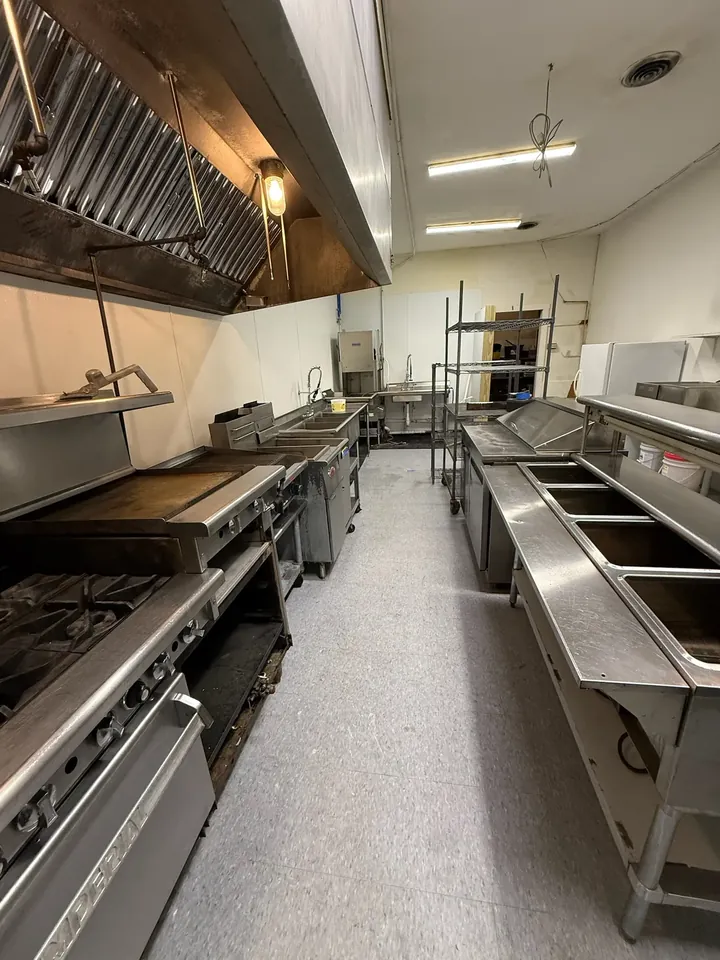
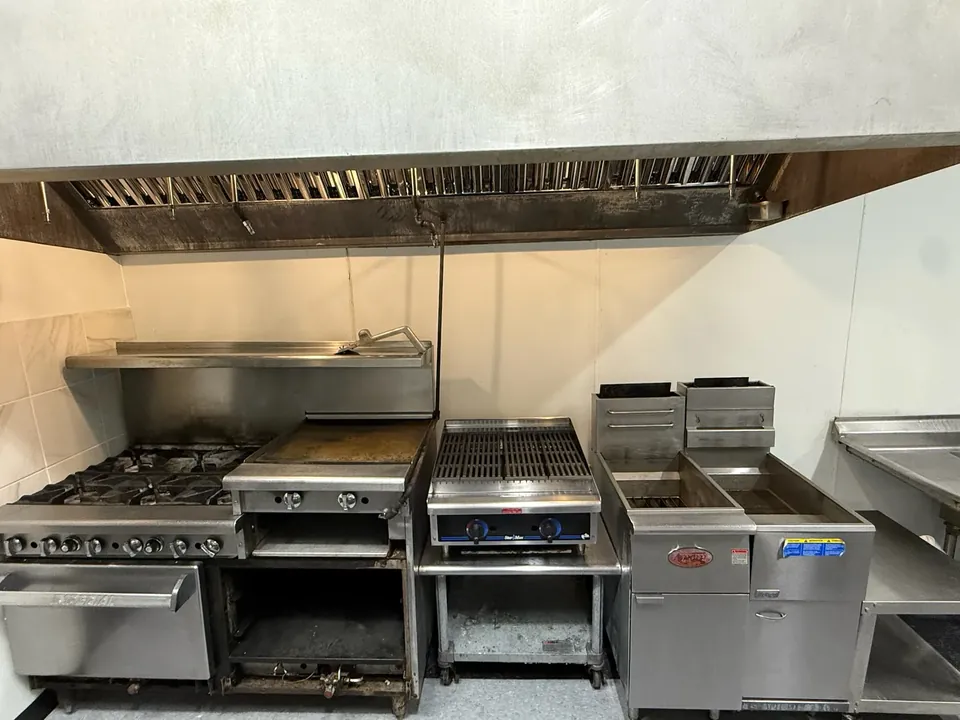
Kitchens & hoods
Commercial Hood Cleaning: Questions to Ask Before Booking
Clarify the exhaust-system scope and practical arrangements before comparing cleaning proposals.
Read this guideSaniDine Insights
By SaniDine · Updated
A checklist is useful when it tells people what to do, where to do it and who owns the task. For a restaurant, a single instruction to “clean the kitchen” leaves too much open to interpretation. Build your list around the way your business actually operates, then use it to connect everyday care with professional deep cleaning.
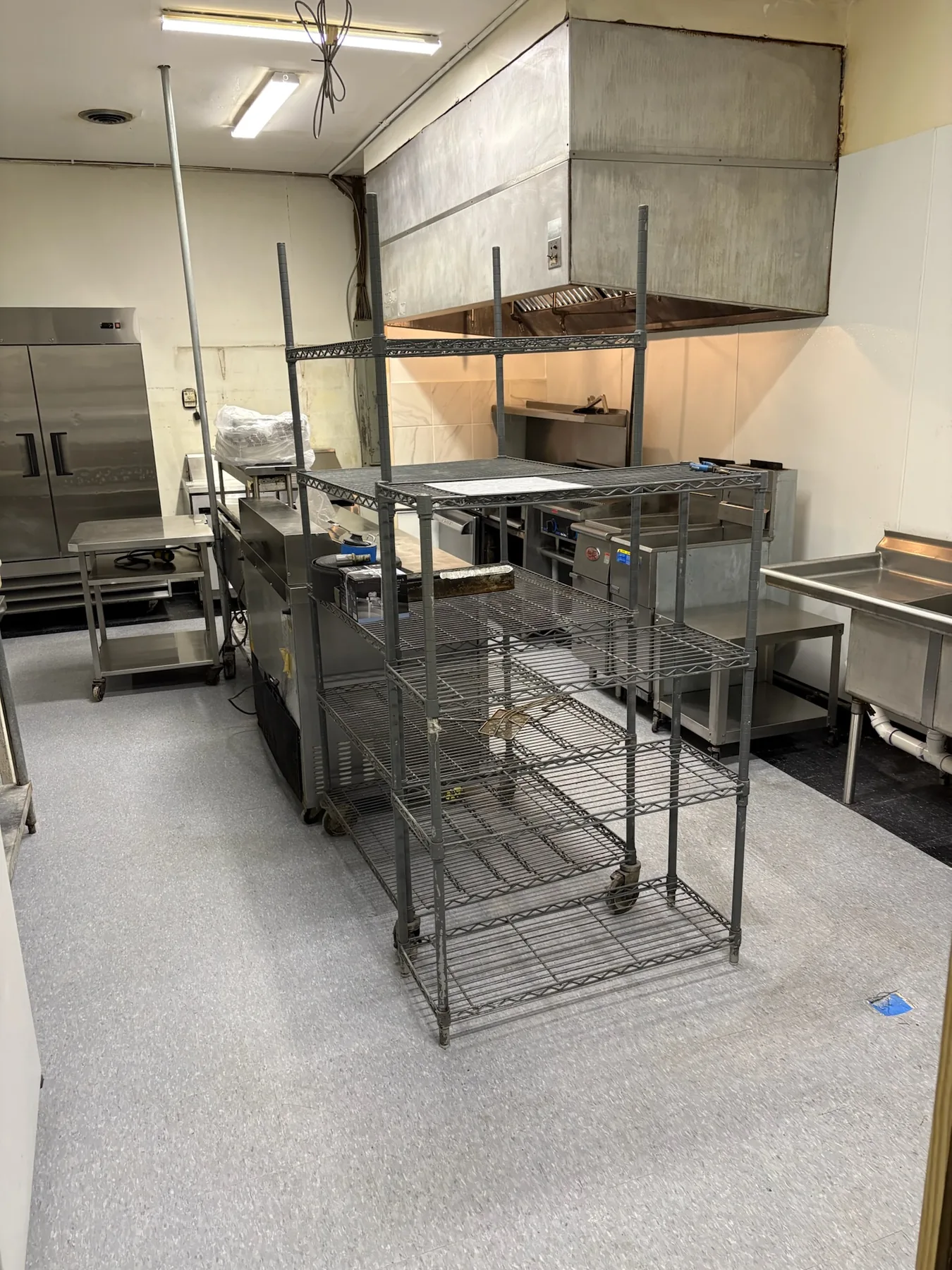
Divide the facility into practical zones: the cookline, preparation and wash areas, food storage, dining room, restrooms and staff spaces. Give each routine a named owner or role. Record the task, when it should happen and how your team confirms completion. Keep opening, during-service and closing routines easy to find. A checklist that staff can read while working is more useful than a long document nobody opens.
Your kitchen team’s food-contact procedures belong in the daily operating routine. Identify the equipment and utensils involved, follow the appropriate product labels and equipment instructions, and use the procedures required for your operation. Cleaning, sanitizing and disinfecting have different purposes; the words should not be used as interchangeable task labels. A professional deep clean supports these routines, but it does not replace the checks your team carries out before preparing food.
Give overlooked areas a separate review list. Examples include equipment exteriors, edges beside the cookline, walls and backsplashes, floor junctions and accessible spaces around appliances. Record what you can see, such as persistent grease or buildup, without assuming every appliance can safely be moved. Hood and exhaust work, refrigeration interiors and inaccessible spaces need an explicit scope. Put those questions in your enquiry instead of treating them as automatic inclusions.
In the dining room, note tables, chairs, fixtures, baseboards and flooring. For restrooms, include fixtures, counters, doors and surrounding surfaces. Add employee and office areas where they exist. Write down maintenance concerns separately: leaks, damaged surfaces and poor drainage may need repairs. This separation helps the cleaning team understand your priorities and avoids asking a cleaning visit to solve a building or equipment problem.
Review the checklist with the person who knows the facility best. Choose the areas needing dedicated attention, explain the current condition and identify any access restrictions. Agree on the work window and the tasks included before booking. Photograph difficult areas if that helps explain them. The final scope should say what will be cleaned and any exclusions, rather than relying on a service name alone. See our commercial kitchen deep-cleaning guide for planning questions.
Compare the handover against the agreed scope. Note any follow-up work and return the relevant tasks to your normal routine. Review the list when your menu, equipment, operating hours or traffic changes. If the same areas need attention repeatedly, discuss a recurring plan based on their condition and use. SaniDine can help you define a focused visit or regular commercial cleaning in Central Pennsylvania and surrounding regions, with scope and travel availability confirmed for your facility.
Discuss your facility, priorities and work window with SaniDine. We serve Central Pennsylvania and surrounding regions; availability and travel arrangements are confirmed for each enquiry.
Kitchens & hoods
Clarify the exhaust-system scope and practical arrangements before comparing cleaning proposals.
Read this guideKitchens & hoods
Define the scope, prepare your kitchen and plan a realistic service window.
Read this guide