
Restrooms & surfaces
Planning Restroom Cleaning for a Commercial Facility
Set clear priorities for commercial restroom fixtures, surfaces, access and routine care.
Read this guideSaniDine Insights
By SaniDine · Updated
A cleaning scope should describe the work clearly. Cleaning, sanitizing and disinfecting have different purposes, and the right process depends on the surface, setting and product. Understanding those distinctions helps restaurant managers and facility teams ask useful questions without turning every task into the same broad instruction.
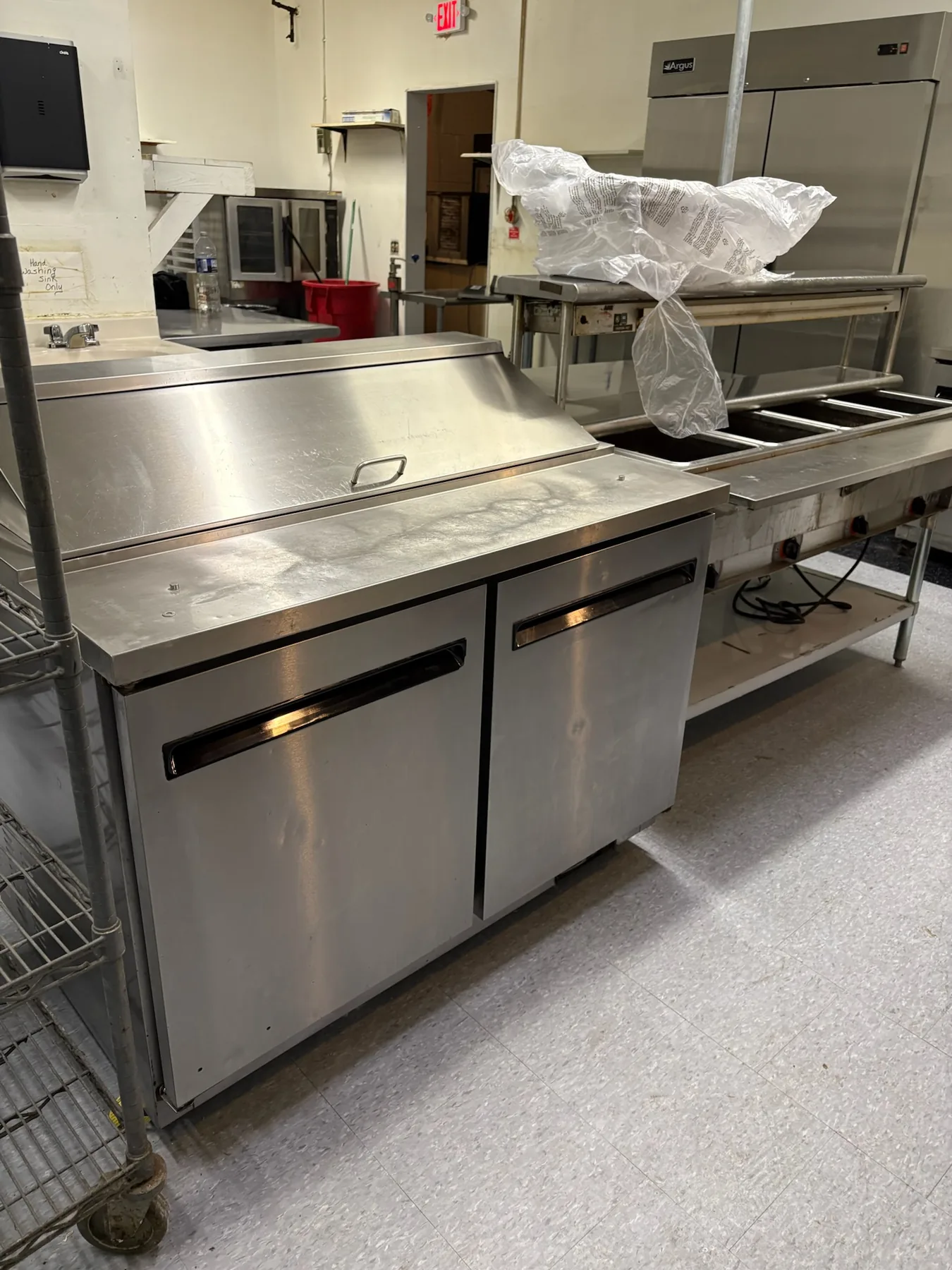
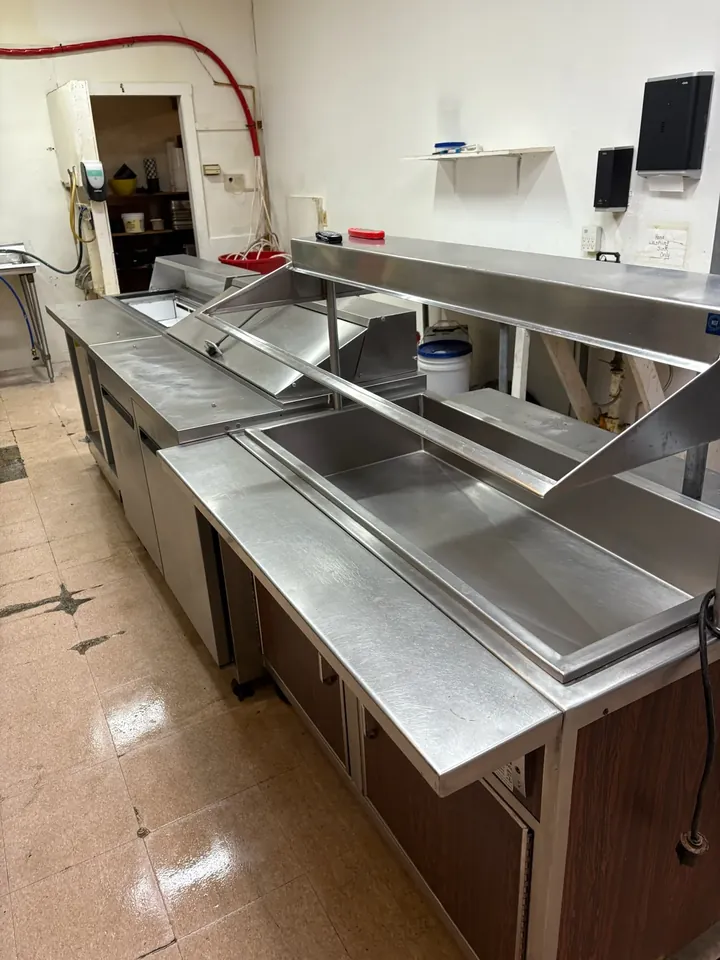
Cleaning addresses dirt and organic matter on a surface. This matters when defining work on equipment exteriors, floors, fixtures and other areas that need physical attention. Describe the condition and materials involved rather than choosing a method based only on a photograph. A visibly improved surface does not by itself prove sanitization or disinfection. Keep those tasks distinct in your procedures and in any scope agreed with a service provider.
EPA distinguishes surface sanitizing and disinfecting claims for antimicrobial products. Surface sanitizing products address bacteria, while disinfecting products address bacteria and viruses according to their approved claims. These descriptions do not mean every product is suitable for every room or surface. Ask what task is intended and what instructions apply. Avoid adding a blanket “disinfect everything” instruction when the materials, use and required process have not been discussed.
Use a product only as directed for the appropriate setting and surface. Labels specify matters such as application and contact time. Where the instructions require a surface to remain wet for a stated period, a quick wipe should not be assumed to complete that process. Do not improvise mixtures or concentration advice from a general article. The person performing the work needs the actual instructions and appropriate training for the products and methods being used.
A restaurant’s food-contact surfaces and utensils need the procedures applicable to that operation. The FDA Food Code is a model used by jurisdictions; local adoption and requirements should be checked rather than assumed to be identical everywhere. Confirm appropriate methods and product suitability with your responsible food-safety guidance. SaniDine’s cleaning visit supports your operation but does not replace staff procedures, inspection decisions or your normal checks before food preparation resumes.
Name the areas and tasks: for example, equipment exterior cleaning, floor and edge cleaning, or agreed restroom fixture care. Discuss surfaces with particular manufacturer restrictions. Explain whether the work is part of routine upkeep or a focused deep clean. Record exclusions, maintenance concerns and any preparation your staff need to complete. Our commercial restroom cleaning guide shows how to turn a broad request into a practical plan.
Tell SaniDine what kind of business you operate, where the work is needed and the concerns you have. Explain your existing routines and preferred service window. We can discuss the appropriate cleaning scope and how it fits around operations. If you have a technical product or food-safety question, use the relevant product documentation or responsible authority rather than treating a website article as a facility-specific procedure. Start with a clear description of the task you want addressed.
These primary resources explain the specific guidance referenced above.
Discuss your facility, priorities and work window with SaniDine. We serve Central Pennsylvania and surrounding regions; availability and travel arrangements are confirmed for each enquiry.
Restrooms & surfaces
Set clear priorities for commercial restroom fixtures, surfaces, access and routine care.
Read this guide